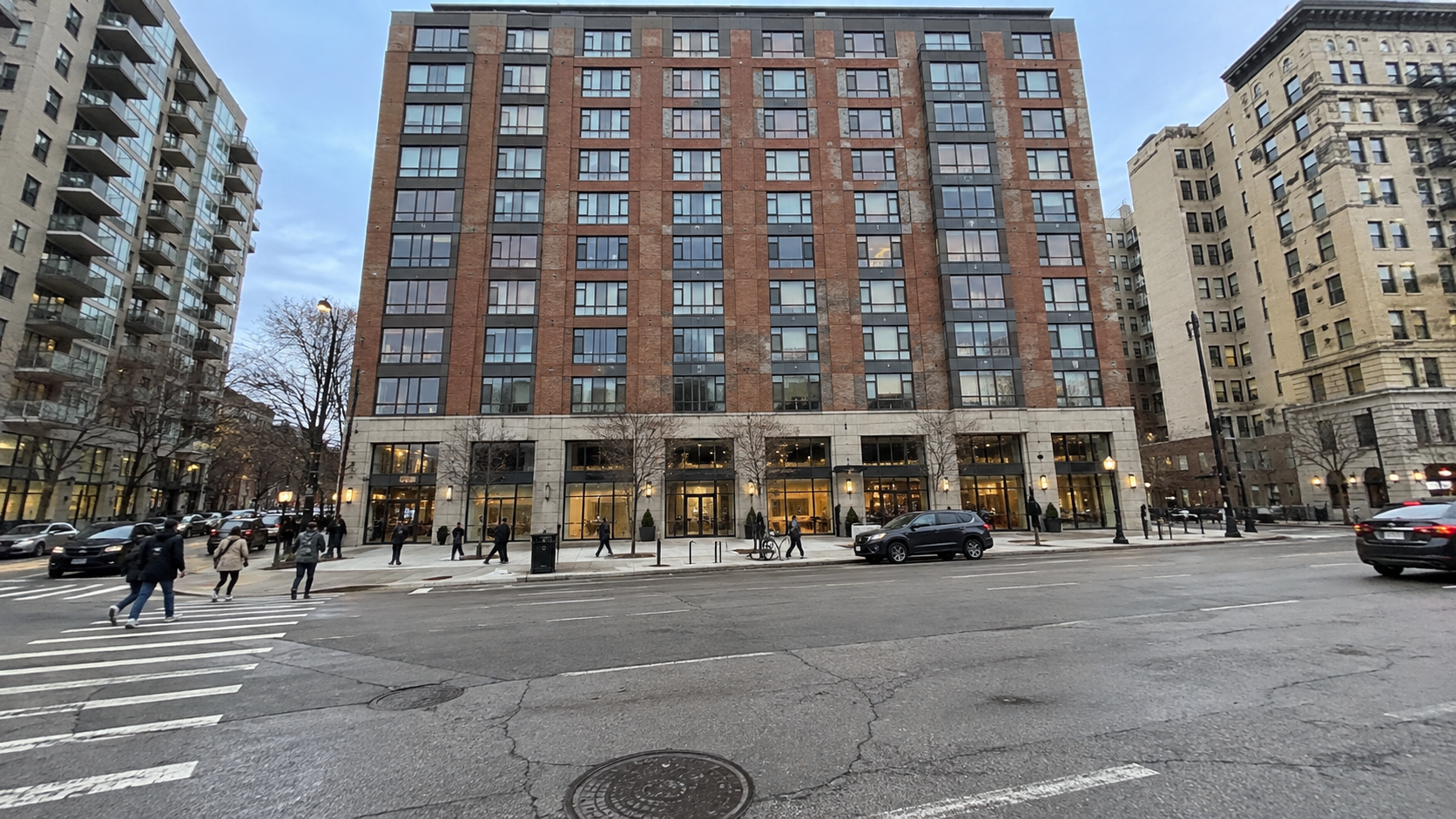
A roof that fits in the original may fall outside the corrected rectangle. Here is how to leave useful framing room when shooting upward.
Fitting the original is not the same as fitting the result
You included the whole roof, but the corrected image loses part of it. This can be a crop consequence, not a failed capture. Perspective correction remaps the image: displacement and stretching vary across the frame.
The transformed boundary may no longer form a filled rectangle. Cropping or scaling is often needed for a complete output frame, so a roof recorded in the original can still fall outside the final crop.
At a steep upward angle, do not tilt more just to centre the building
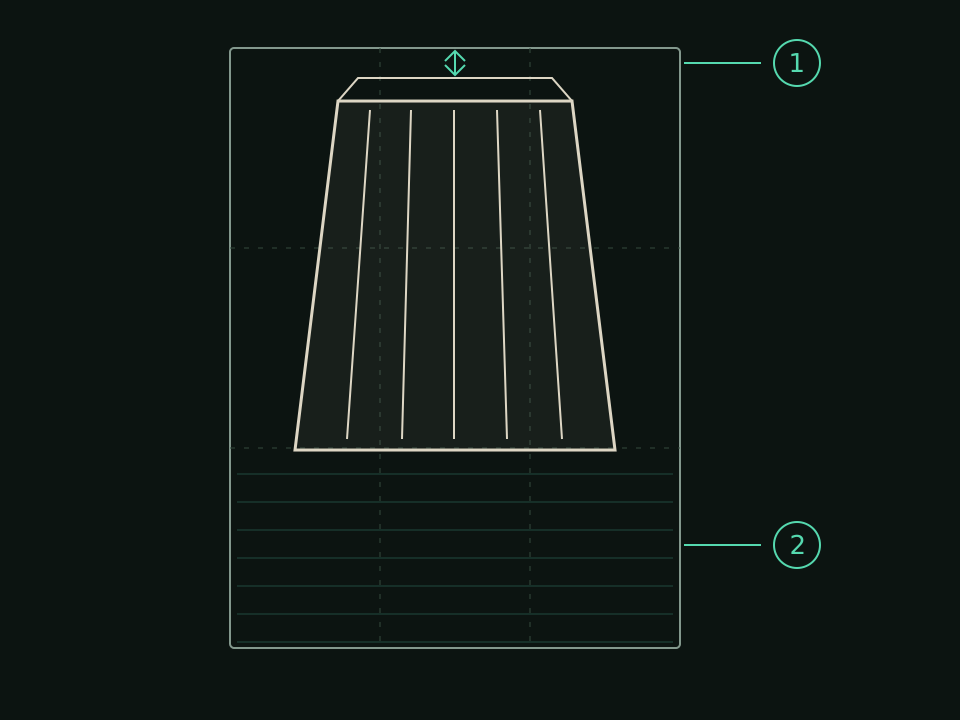
Try keeping the building’s top near the upper part of the actual camera preview while leaving more expendable space below. Avoid adding upward tilt merely to centre the building with lots of sky above it.
The preview means the image area, not the top of the phone or its toolbar. Keep the entire roof, parapet or spire inside that area with a small safety gap. Near the top does not mean touching the edge or clipping the roof in advance.
From the same position, if the roof still fits, easing the upward tilt can move the building higher in the frame and include more foreground below. That foreground gives you material to trim later.
Extra foreground is working room
The capture does not have to be the final composition. Include some ground, plaza or steps you might later remove; decide after reviewing the correction.
Bottom margin is not a guarantee that the roof survives. Crop placement depends on tilt, field of view, output ratio and the transform; cropping does not always happen only at the bottom. Leave side room for façades and overhangs too, and keep a safety gap above the roof.
Try a frame before leaving
Keep the highest architectural detail fully inside the preview. With substantial upward tilt, place it toward the top and allow more disposable foreground instead of forcing a centred composition.
Compare Original and Corrected in Plumb. Check the roofline, entrance, side edges and proportions—not just the verticals. If a detail is lost, reframe while you are still there.
If the roof still will not survive, move back when safe and possible, find a higher position or use a wider field of view if your device offers one. More upward tilt is not a universal solution. Keeping the original or choosing another composition can be preferable.
Capture the information before choosing the crop
A practical reminder: for steep upward views, keep the building’s top high but clear of the edge, leave extra room below and check the corrected result immediately. There is no universal margin percentage.
Plumb preserves the original and creates a separate corrected version when conditions allow. Geometric correction cannot turn a roof that was never recorded into genuine photographic information. A looser capture leaves choices for the final composition.